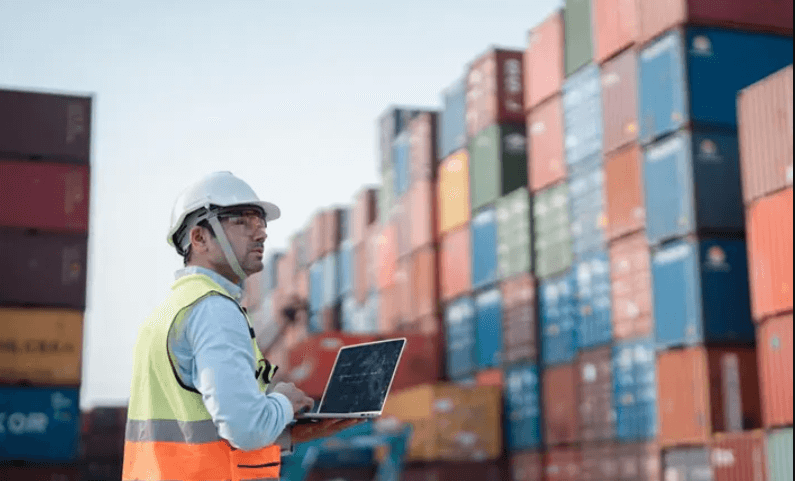
AI & Supply Chain: Resilient, Self-Healing Systems
AI is fundamentally transforming supply chains through the development of resilient, self-healing systems. These systems utilize predictive analytics and dynamic forecasting to respond to real-time disruptions effectively. Consequently, organizations can anticipate demand shifts and optimize resource allocation. This adaptability not only minimizes downtime but also cultivates a culture of resilience. As businesses adopt these advanced technologies, the implications for their operational efficiency and competitive positioning warrant further examination.
The Role of AI in Enhancing Supply Chain Efficiency
As supply chains become increasingly complex, the integration of artificial intelligence (AI) emerges as a pivotal strategy for enhancing operational efficiency.
Utilizing predictive analytics, organizations can anticipate demand fluctuations, optimize inventory levels, and reduce waste.
Additionally, process automation streamlines repetitive tasks, allowing human resources to focus on strategic decision-making.
Together, these AI applications empower supply chains to operate with greater agility and responsiveness, fostering a culture of freedom in operations.
See also: AI & Remote Sensing for Environmental Monitoring
Real-Time Adaptability: How AI Creates Resilient Supply Chains
How can artificial intelligence (AI) transform supply chains into agile and resilient entities?
By leveraging dynamic forecasting, AI enables organizations to anticipate disruptions and adapt proactively.
Automated responses to shifting market conditions ensure rapid adjustments, reducing downtime and optimizing resource allocation.
This real-time adaptability fosters resilience, empowering supply chains to respond effectively to uncertainties while maintaining operational continuity and enhancing overall performance.
Case Studies: Successful AI Integration in Supply Chain Management
While various industries grapple with the complexities of supply chain management, numerous organizations have successfully integrated artificial intelligence to enhance efficiency and responsiveness.
Case studies reveal that companies employing predictive analytics have achieved significant improvements in inventory optimization, reducing excess stock by up to 30%.
These advancements not only streamline operations but also empower businesses to adapt swiftly to market fluctuations, fostering resilience.
Conclusion
In conclusion, the integration of AI in supply chain management acts like a finely tuned orchestra, where each component harmonizes to adapt to disruptions seamlessly. By leveraging predictive analytics and dynamic forecasting, organizations are not only enhancing efficiency but also fostering resilience within their operations. As businesses continue to embrace these advanced technologies, they position themselves to navigate the complexities of modern markets, ultimately achieving a sustainable competitive advantage in an ever-evolving landscape.